
My journey in a nutshell
| Type: | Solo long-distance thru-hike, pilgrimage |
| Start: | Saint-Jean-Pied-de-Port (SJPP), France |
| Finish: | Finisterre, Spain’s Atlantic coast |
| Distance: | 898 km (806 km from SJPP to Santiago, 92 km from Santiago to Finisterre) |
| Walking days: | 30 days to Santiago, 3 days to Finisterre |
| Zero days: | 0 (until I arrived in Santiago) |
| Elevation gain: | 14,900 m |
| Elevation range: | 0–1500 m |
| Total steps: | 1.16 million (1.35 million including evenings) |
| Average day: | 27.2 km, 6 hr 9 min walking (excluding stops), 450 m gain, 35,000 steps (40,850 including evenings) |
| Average pace: | 4.4 km/hr (13.6 min/km) |
| Longest day: | 39.5 km (Arzúa to Santiago) |
| Shortest day: | 14.2 km (Melide to Arzúa) |
| Backpack weight: | 5 kg (excluding water) |
| Difficulty: | Depends on pace – Strenuous over 30 days, Moderate over 60 days |
Walking the Camino
When I first heard about the Camino, I was immediately drawn to it. The idea of walking for several hours each day over several weeks sounded both challenging and exciting. Spending time in nature, passing through historic towns and villages, and tracing steps along an ancient route with deep heritage all appealed to me. I know it was a journey that I had to take.
As I began planning my trip, I found myself with a growing number of questions. I spent hours researching everything from gear lists to accommodation options, trying to understand what the experience would involve. Since completing the Camino, I’ve been asked many of the same questions by aspiring pilgrims.
I wrote this article to share my experiences and help others who are planning their first Camino. If I’ve missed any important questions, feel free to reach out. My aim is to offer the practical, honest advice I wish I’d had before I started walking.
This article covers:
What is the Camino
The Camino de Santiago is an ancient network of pilgrimage routes that all lead to the Cathedral of Santiago de Compostela in northwest Spain. For more than a thousand years, people from around the world have walked these paths for spiritual, cultural, and personal reasons.
Today, the Camino is as much about the journey as the destination – a blend of history, community, and slow, purposeful travel across some of Spain’s most beautiful landscapes.
The Camino Francés
The most popular route is the Camino Francés – the French Way. It begins in Saint-Jean-Pied-de-Port (SJPP) in France, crosses the Pyrenees, and continues through Pamplona, Burgos, León, and Sarria before reaching Santiago.
More than 200,000 pilgrims walk this route each year. While the journey from SJPP to Santiago takes 25–40 days, only a small proportion of pilgrims begin in SJPP or walk the entire distance in one go.
Anyone who arrives in Santiago after walking at least 100 km is awarded a Compostela, the official certificate of completion. For this reason, Sarria – 115 km from Santiago – is the most common starting point on the Camino Francés.
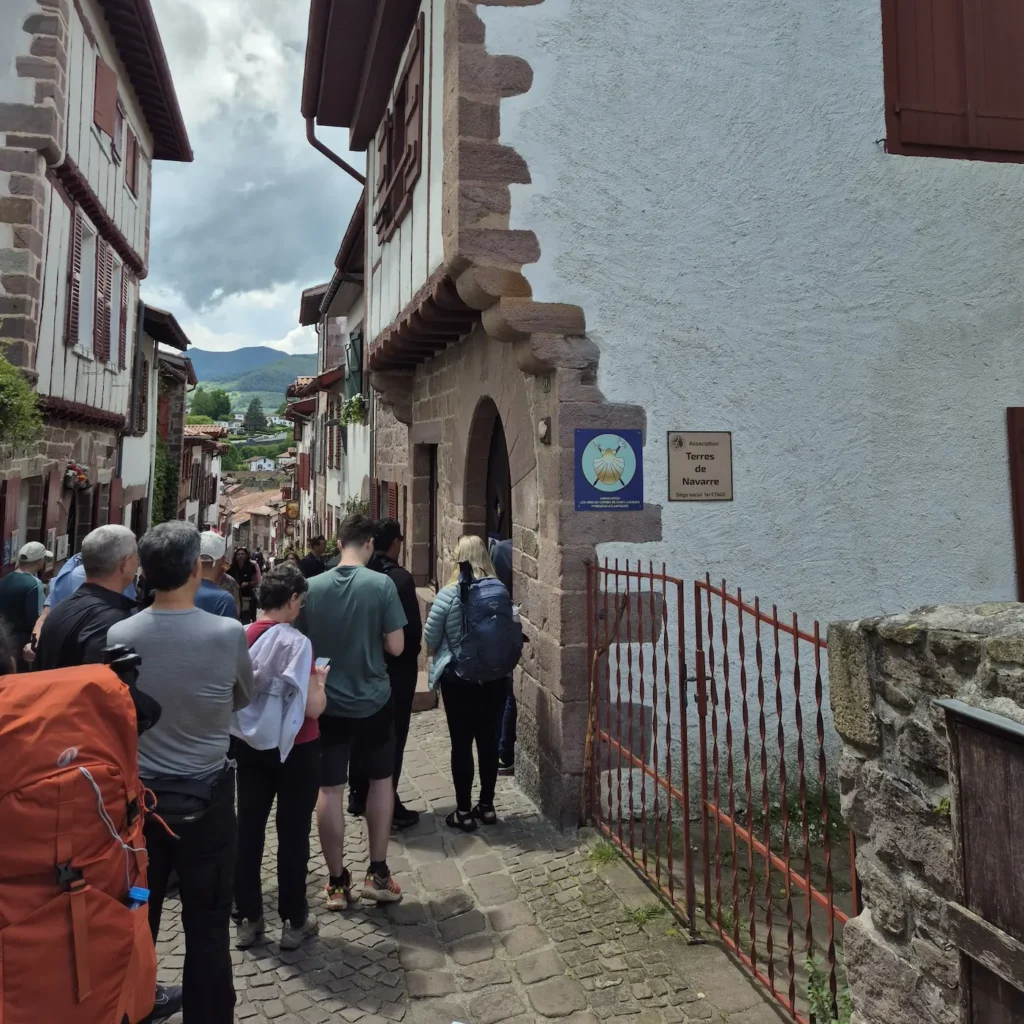
Some pilgrims walk the Camino in stages over several years. Others start from their own front door. I met two Dutch pilgrims who had walked all the way from the Netherlands.
If you’re planning your first Camino, the well-established infrastructure and community of the Camino Francés make it a good choice.
What makes the Camino special
There are many reasons why the Camino de Santiago is a memorable journey. Although pilgrims walk similar paths to Santiago, each person’s experience is unique.
These are the seven things that made the Camino especially meaningful for me.
1. The simplicity of daily life
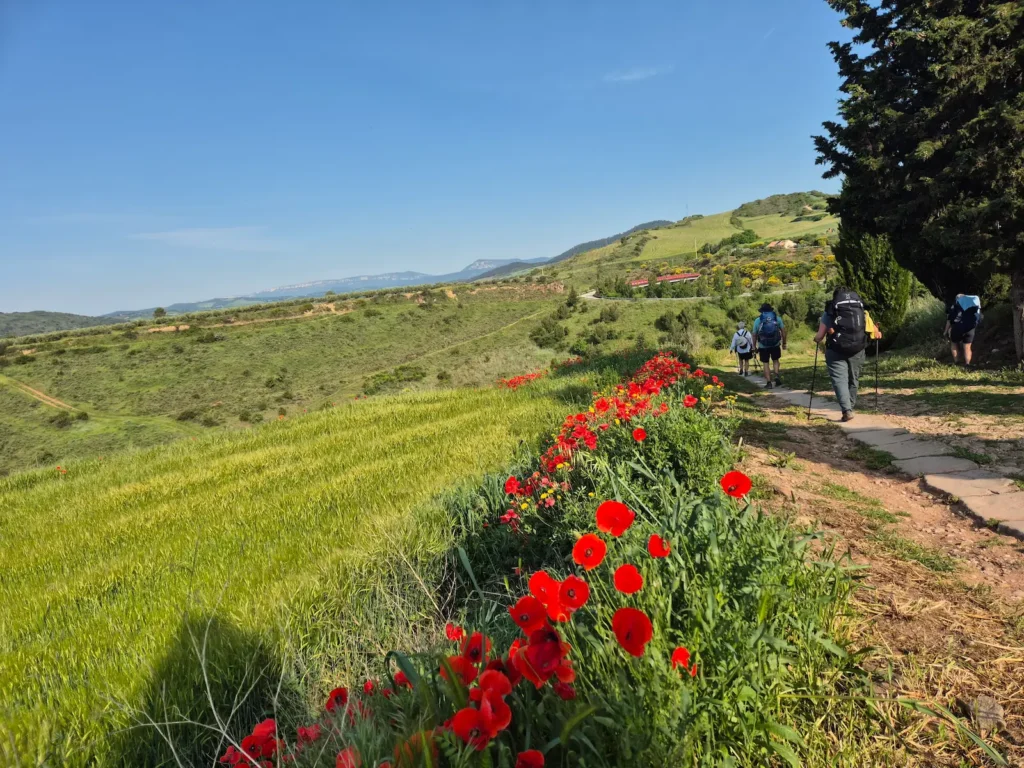
There’s a calmness to the Camino’s routine. Each day follows the same rhythm: wake up, walk, eat, rest. The objective is simple: keep moving west. Life becomes uncomplicated, and you quickly realise how many of our everyday worries are self-created.
2. The community of pilgrims
I met people from every continent, each with their own story and perspective. The kindness, generosity, and support I experienced along the way left a strong impression. It’s rare to be surrounded by so many people who look out for one another.
3. The growth-minded people
Everyone walks the Camino for a specific reason. Many are searching for answers, navigating a transition, or looking for a reset. Most have made a deliberate choice to improve their life in some way. Being surrounded by people with that mindset was motivating.
4. The balance of connection and solitude
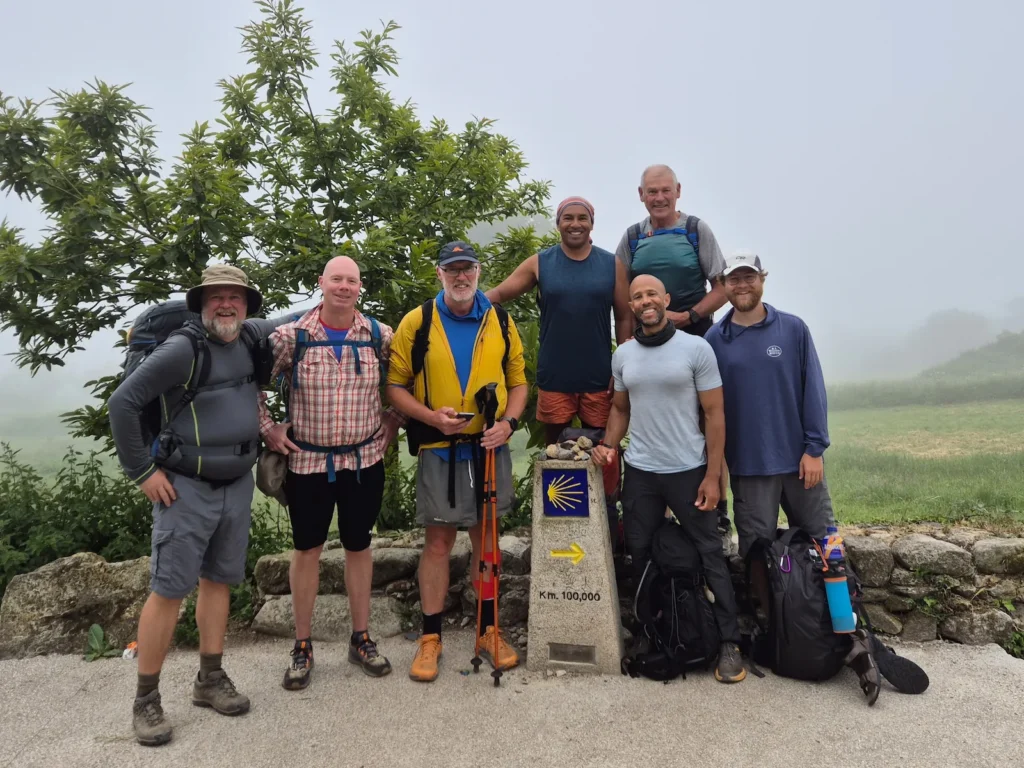
The Camino offers both meaningful conversations and long stretches of quiet. I often spent mornings walking with others and afternoons alone with my thoughts.
5. The reminder that we don’t need much
I carried a 31 L backpack weighing just under 5 kg, and I never felt like I lacked anything. Crossing a country with everything you need on your back is enlightening. The Camino highlights how much unnecessary clutter we accumulate in daily life.
6. The diversity of landscapes
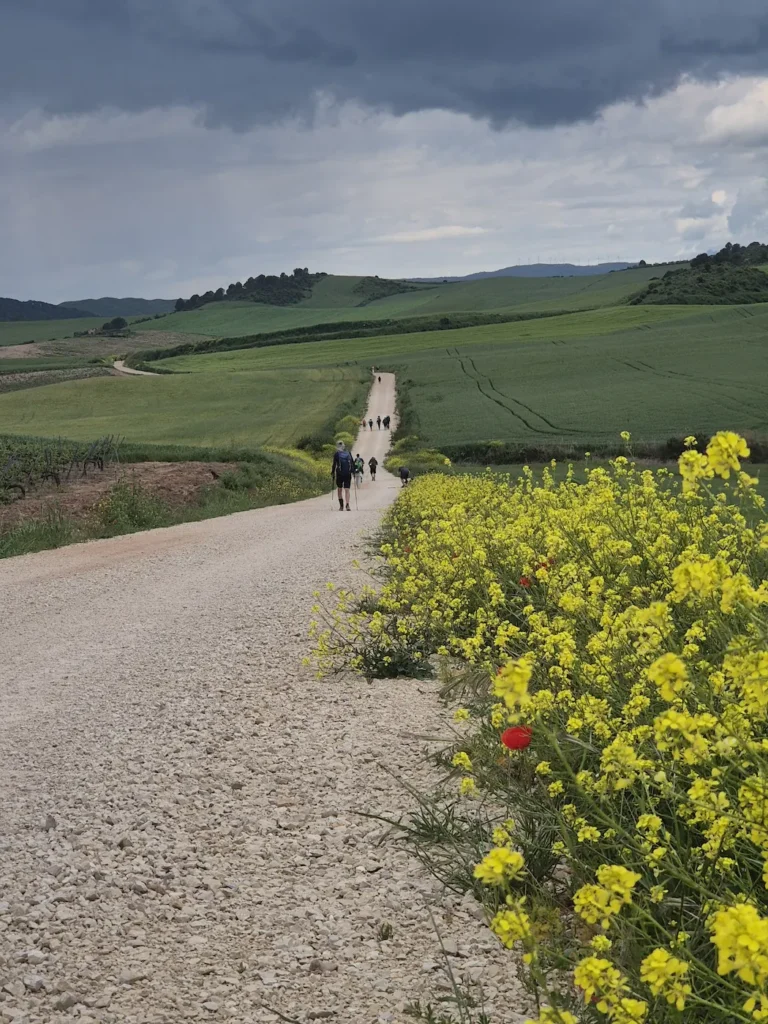
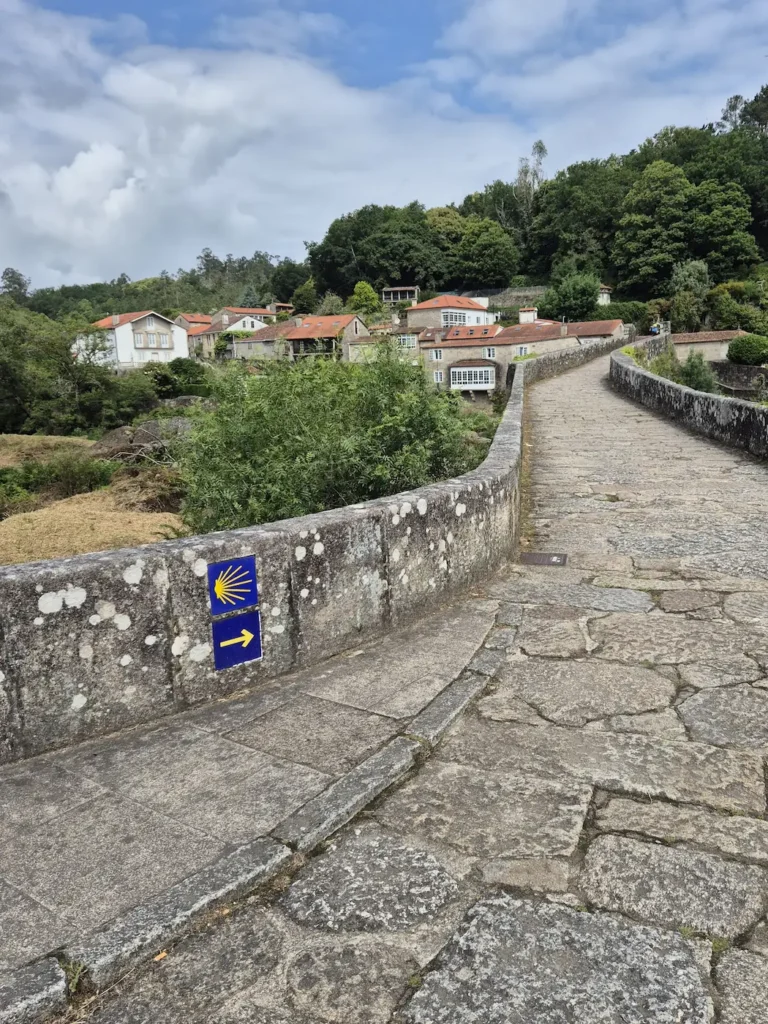
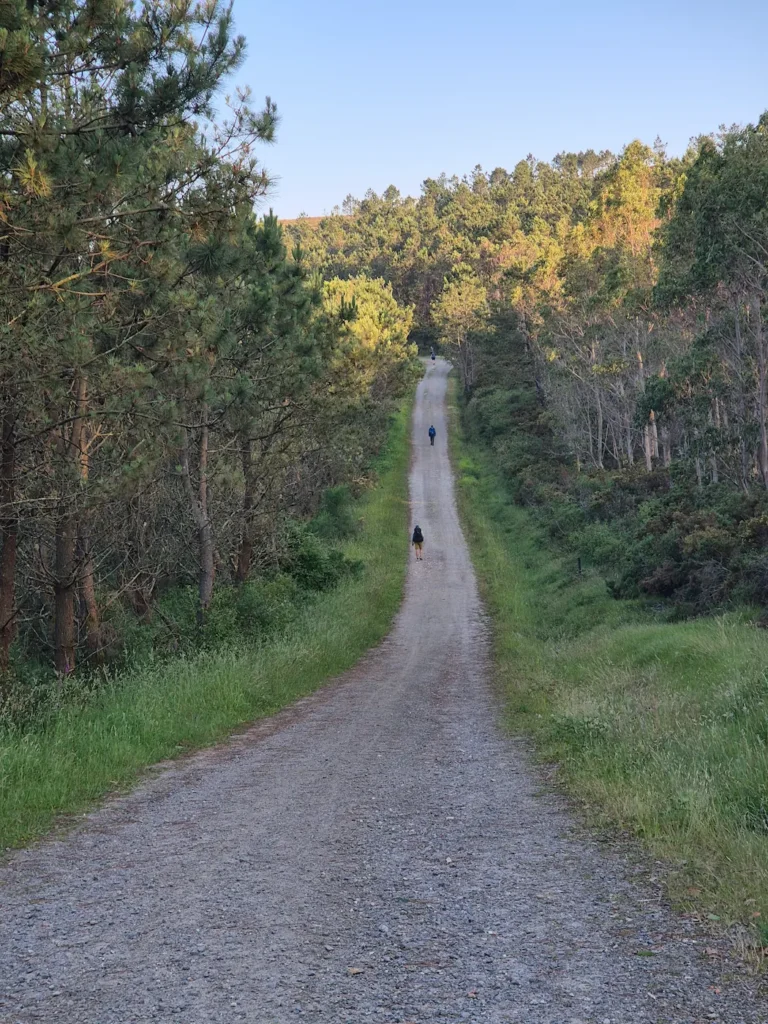
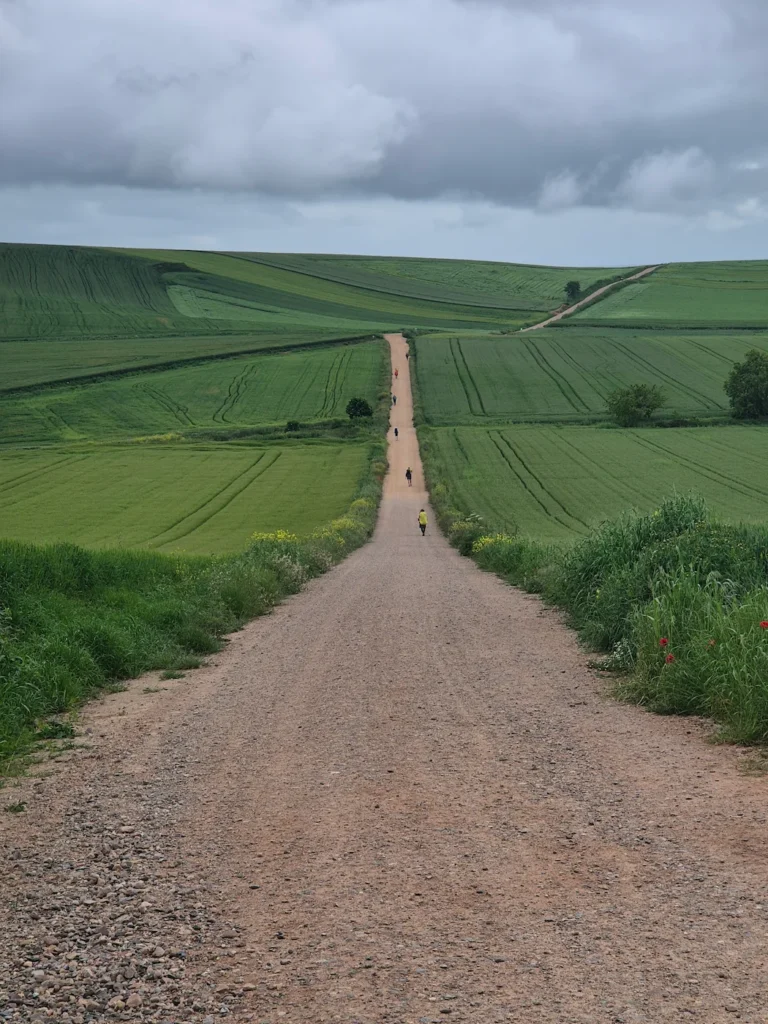
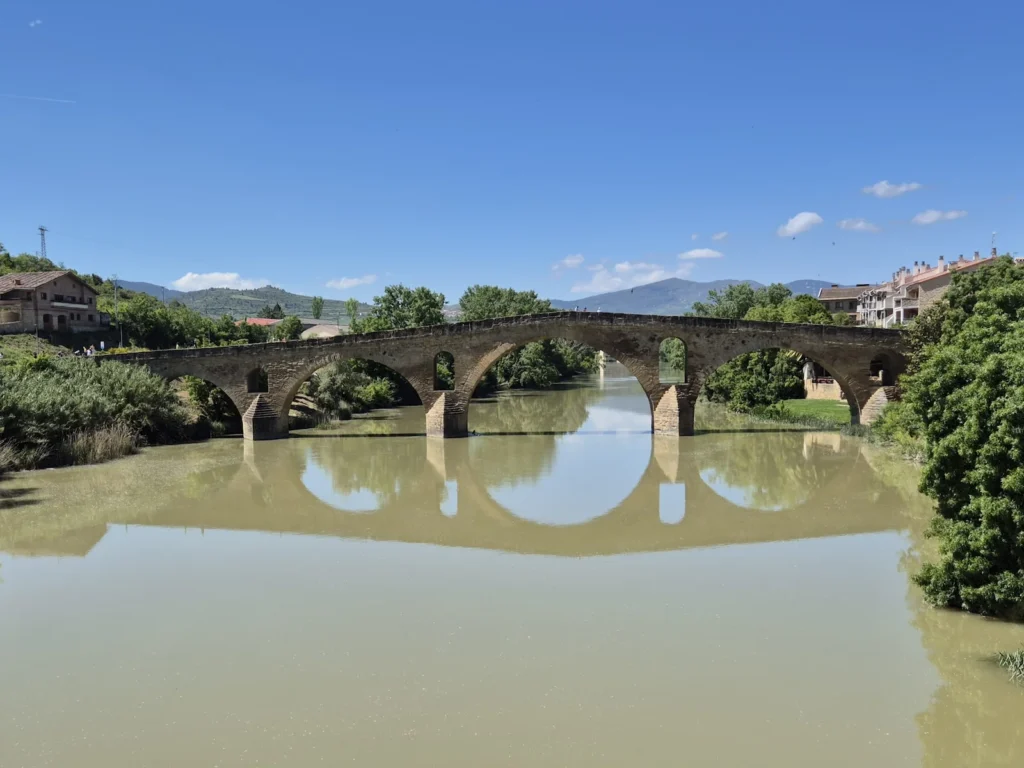
Mountains, forests, farmland, vineyards, and historic towns – the scenery changes constantly. The daily routine may be repetitive, but the environment never is. No two days look or feel the same.
7. The time and space to reflect
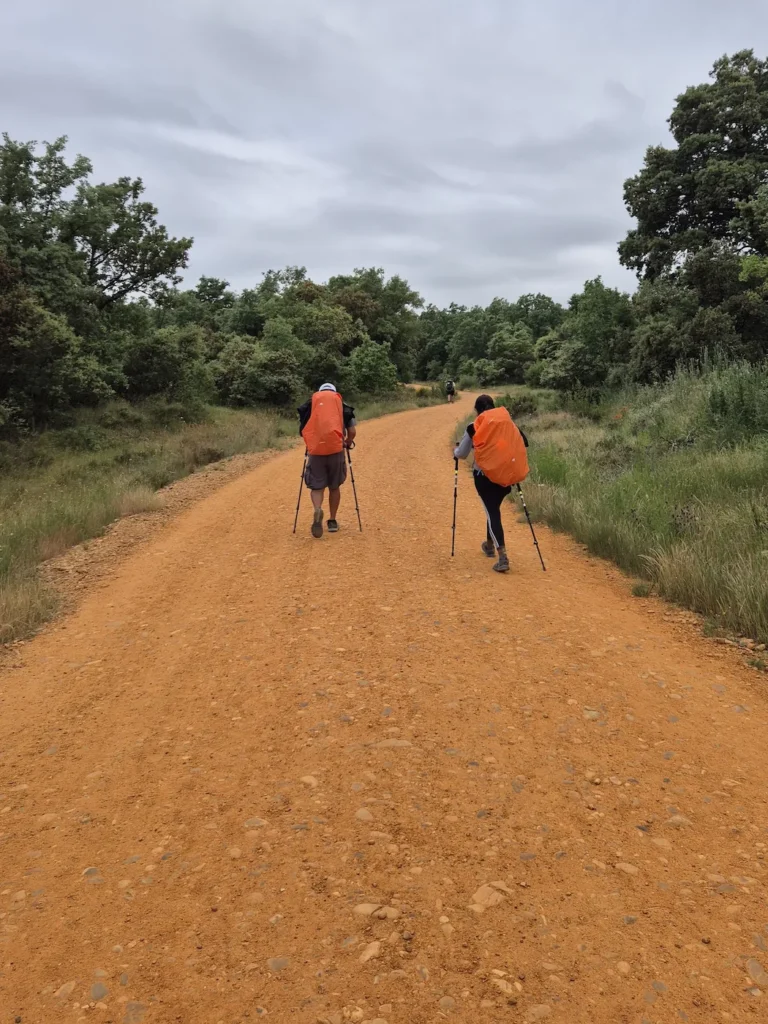
I spent over 200 hours walking between SJPP and Finisterre, with about half of that time alone. That’s roughly 100 hours of uninterrupted thinking – something that’s hard to find in normal life. It became a form of moving meditation.
Three surprising choices that shaped my Camino
Three decisions shaped my Camino far more than I expected. None were planned, but each one changed the rhythm and meaning of the journey.
1. Not stopping in big cities
The Camino Francés passes through several large cities: Pamplona, Logroño, Burgos, and León. These are wonderful places to visit, but staying in a city has downsides – the next morning begins with one or two hours of walking through urban streets before you reach the countryside. By then, the magic of the early morning has passed.
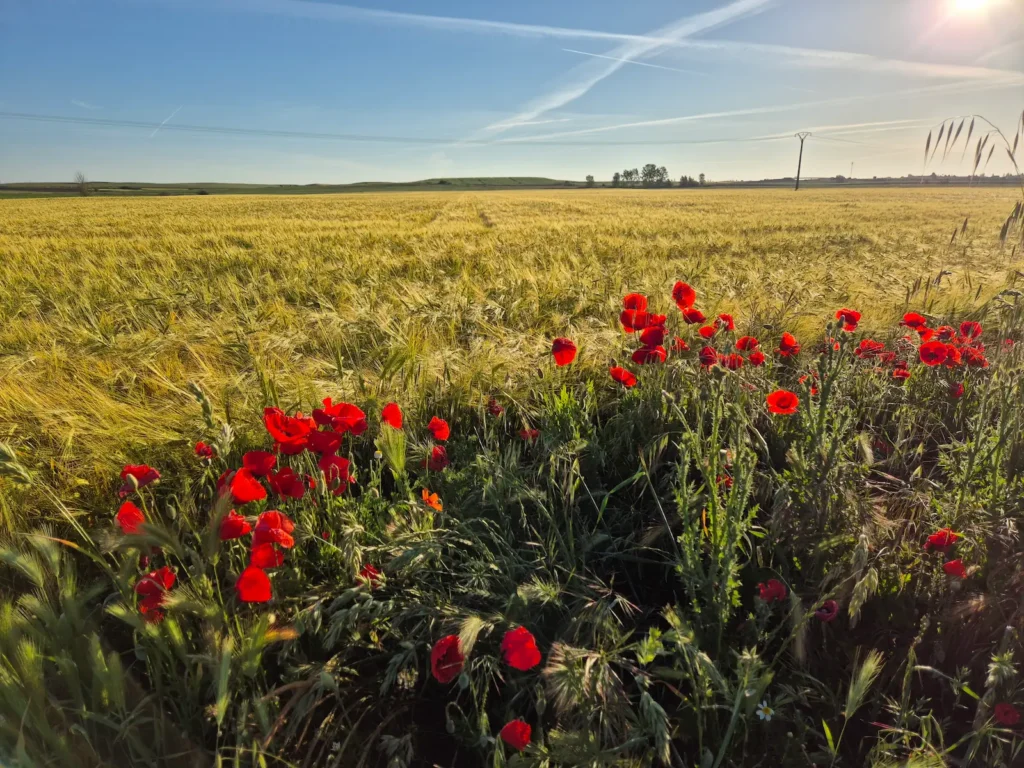
Those early hours – cool air, quiet paths, sunrise – were some of my favourite moments. I learned this after staying in Pamplona, and chose not to repeat it. Instead, I visited cities in the afternoon and then continued walking to the next town or village. That way, I was already in the countryside first thing in the morning.
2. Not taking a “zero day”
When I first planned my Camino, I assumed I would take one rest day each week, which is a common recommendation. But within the first week, my approach changed.
A rest day still involves walking around town, running errands, and being on your feet. Instead of stopping entirely, it felt better to simply walk a shorter distance when I needed an easier day – a gentle 10 km rather than a full 25 km.
Rest doesn’t always mean stopping – sometimes it just means slowing down.
3. Continuing to the Atlantic coast
The busiest part of the Camino Francés is the final stretch from Sarria to Santiago, where many pilgrims join the route to complete the minimum distance required for a Compostela. After three weeks of walking in relative quiet, the sudden bustle of the last few days felt like a shock to the system – and not the ending I wanted for my Camino.
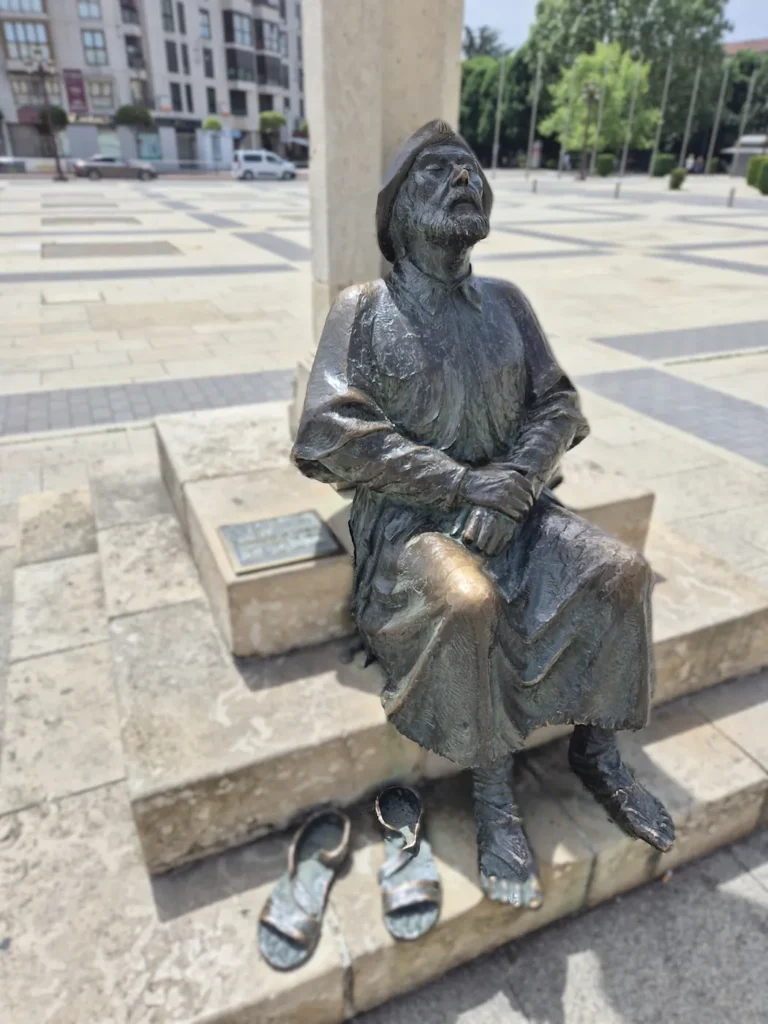
A small number of pilgrims continue beyond Santiago to the Atlantic coast, either to Finisterre or Muxía – or both. I chose Finisterre – Latin for “end of the world”. Those final three days were some of the most peaceful of my journey. Standing at the edge of the ocean with no path left to walk felt like the perfect conclusion to my Camino.
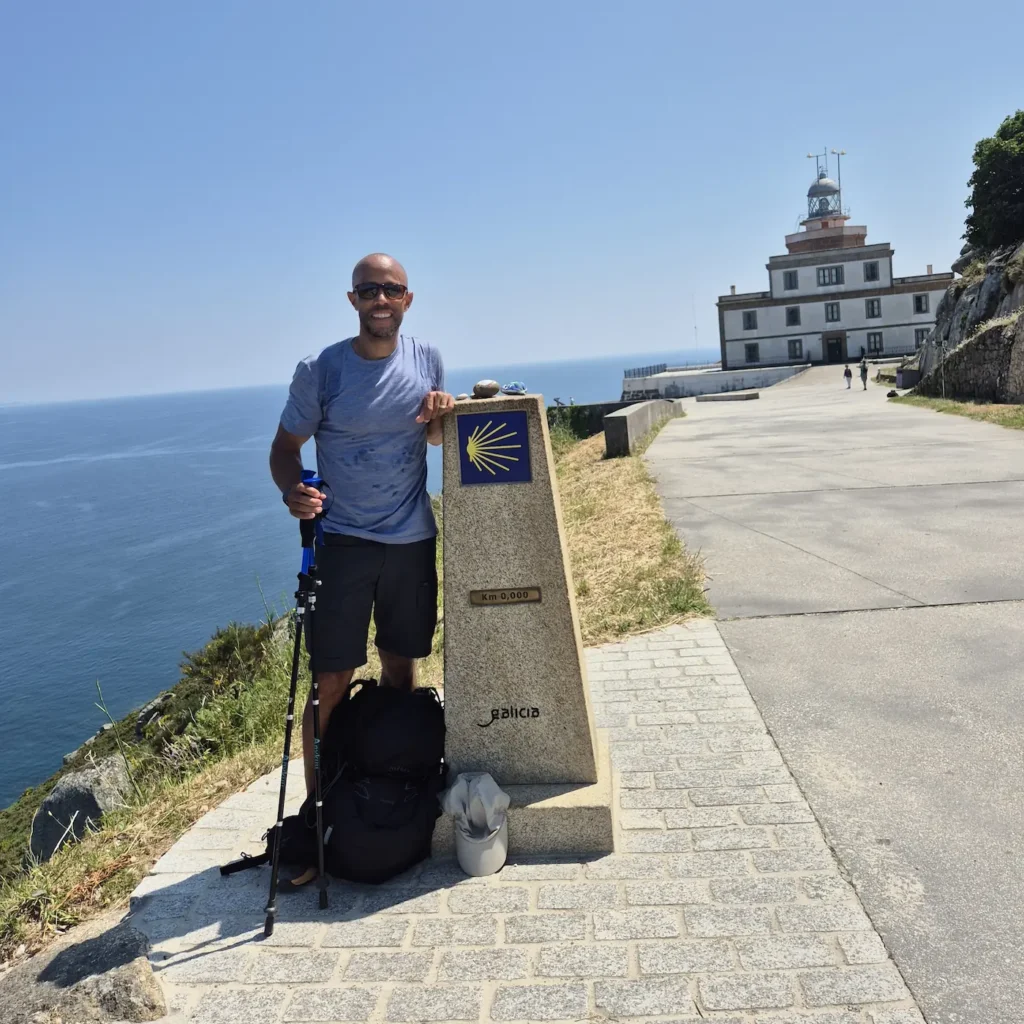
With those choices shaping my Camino, here are the two days that stood out the most.
The best day of my Camino
It’s not easy to choose a single best day, but if I had to, it would be the first: from SJPP to Burguete, a few kilometres past Roncesvalles. It was a demanding introduction to the Camino – 27.3 km, 1420 m elevation gain, and more than seven hours of walking. But I had finally begun – a life‑changing journey was underway.
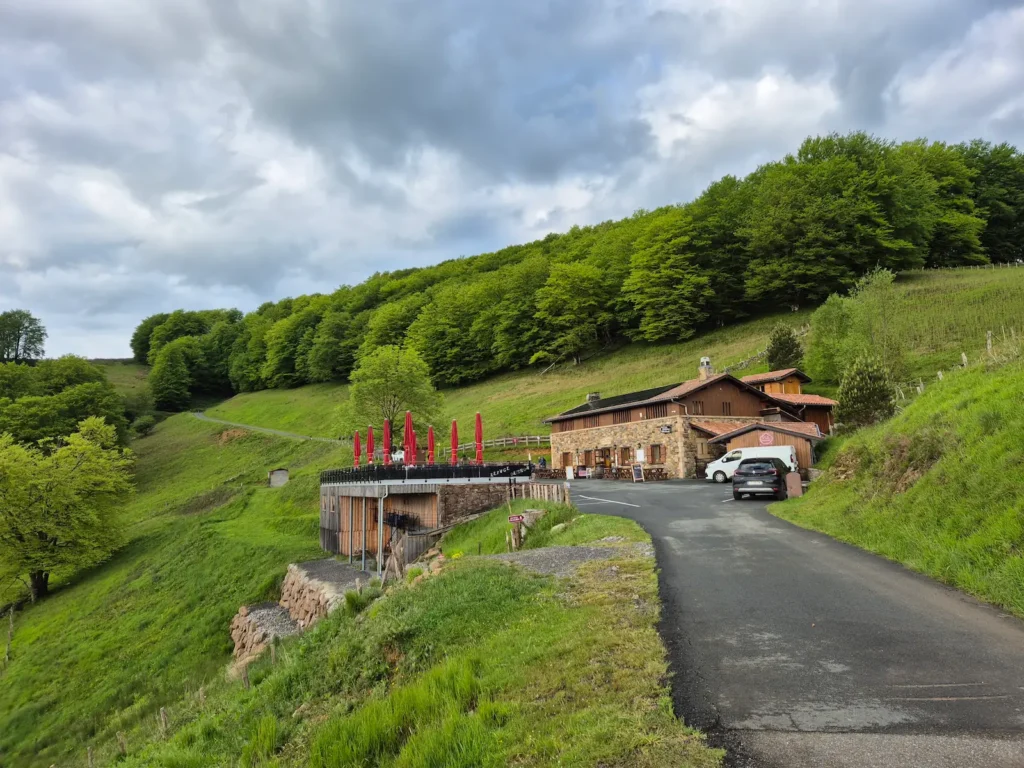
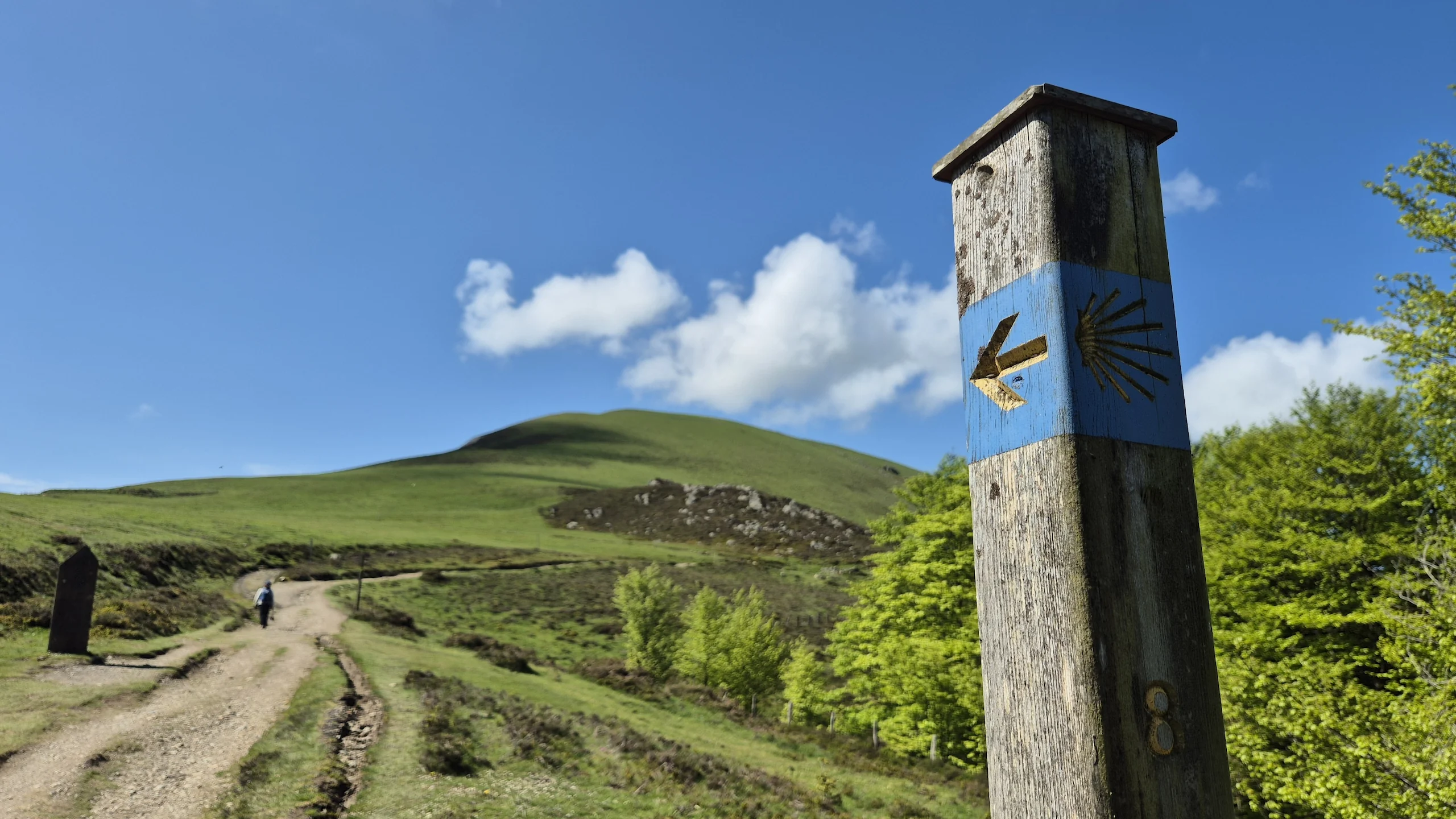
The views crossing the Pyrenees on that first day were spectacular. Having my first coffee and tortilla at the iconic Refuge Orisson – the first stop after SJPP – felt symbolic. And starting in France before crossing the border into the Spanish region of Navarra was another memorable moment.
There is no official starting point on the Camino Francés, but if there is one reason to begin in SJPP, it’s the Pyrenees.
The worst day of my Camino
Perhaps counter-intuitively – and a little contentiously – my worst day was arriving in Santiago.
On a five-day Camino, reaching the cathedral might bring a strong sense of achievement. But after 30 days and several hundred kilometres of walking, reflecting, and time alone with your thoughts, the arrival can feel strangely anticlimactic. You stand in the square and ask yourself, “Is this it?” I learned I wasn’t alone in feeling that way, which made my decision to continue to Finisterre even more meaningful.
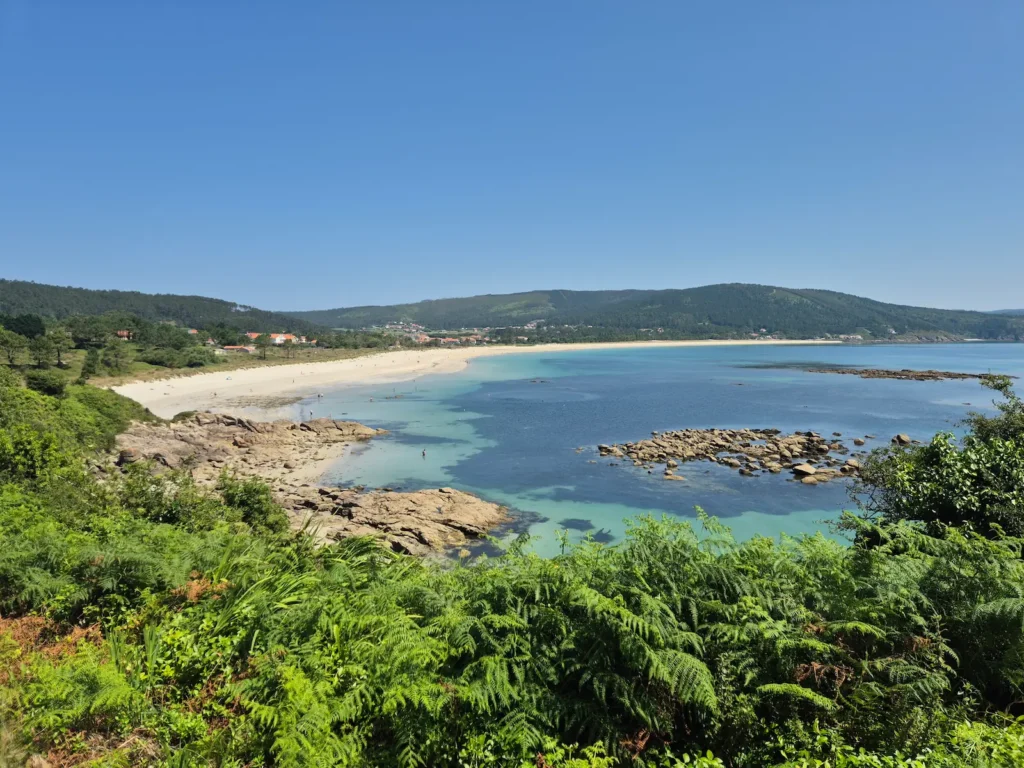
What I realised is that the Camino isn’t about the destination; it’s about the journey. The Camino is life – and life doesn’t end at the cathedral.
Accommodation on the Camino
There are many types of accommodation along the Camino Francés. Here’s an overview, from least to most expensive.
Municipal albergues. Basic, budget-friendly dorms run by local councils. Dorms range from small rooms with 8–20 beds to large halls with up to 100 beds. Beds are allocated on a first-come, first-served basis. Blankets and towels are usually not provided. €10–15 per bed.
Private albergues. Smaller dorms, better facilities, and a more comfortable stay. Blankets are usually provided, and towels can be rented for a few euros. Beds are typically booked in advance. €17–25 per bed.
Pensiones. Small, family-run guesthouses offering private rooms with shared or private bathrooms. €35–70 for a single room, depending on the town and whether the bathroom is shared or private.
Hotels. Full-service accommodation with private rooms and bathrooms. €60–80 for a room in a mid-range hotel.
Casas rurales. Rural guesthouses or converted farmhouses, often in countryside settings. €50–90 for a private room.
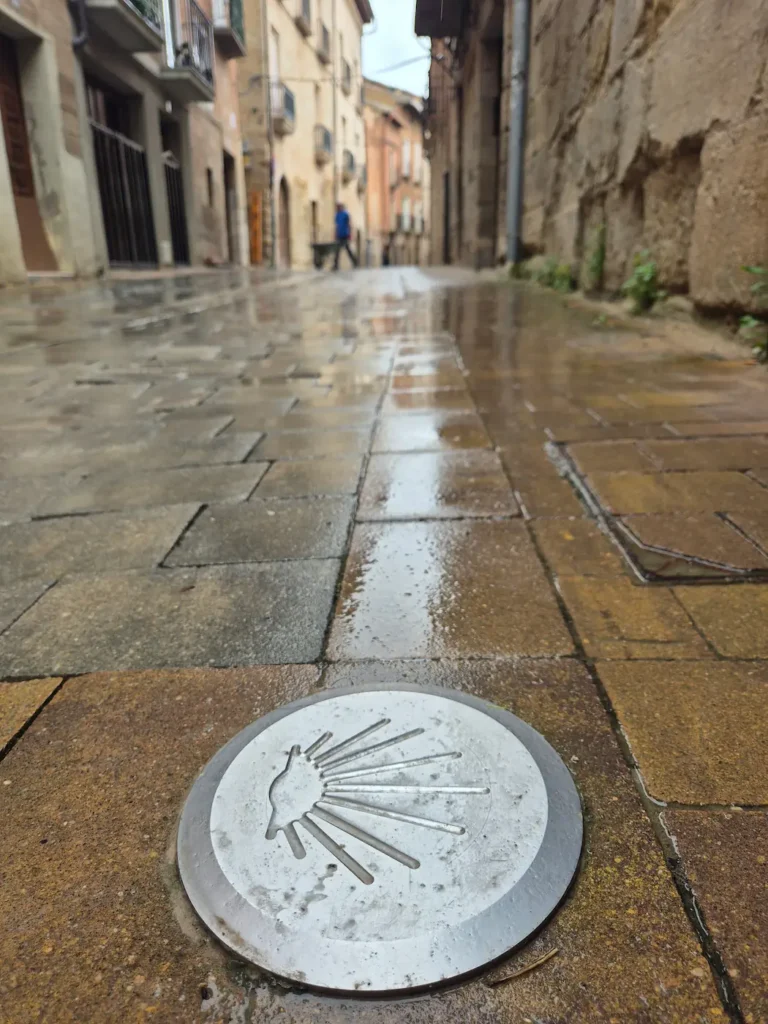
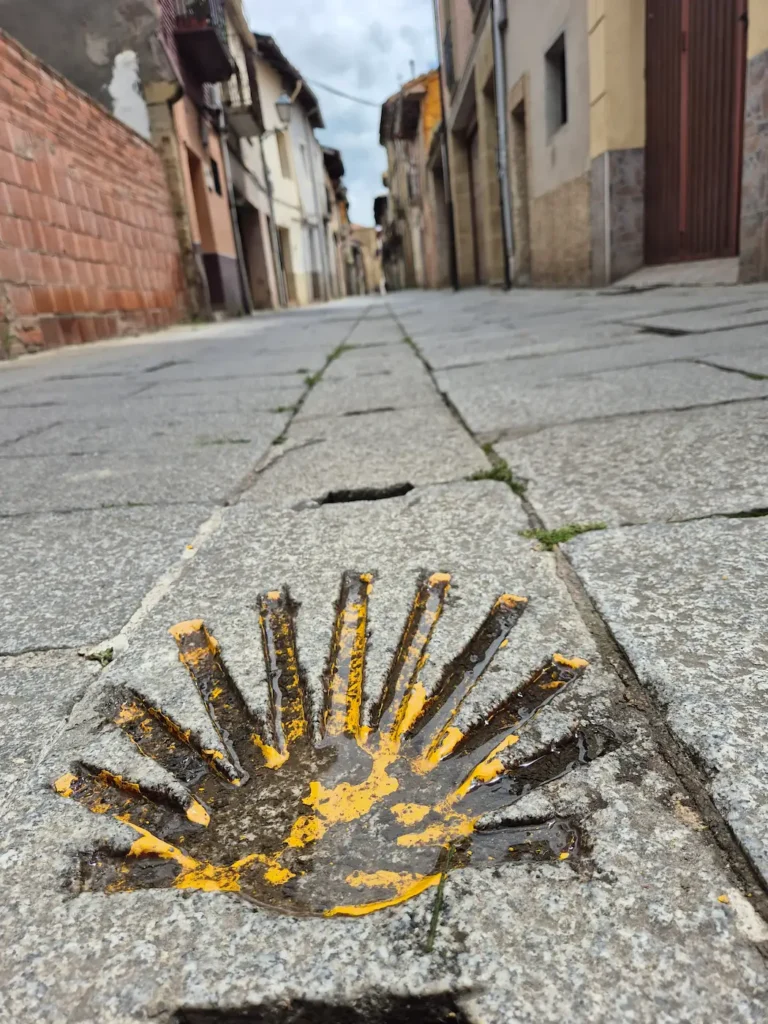
During my 35 nights on the Camino (including arrival and departure days), I stayed in seven private albergues, 25 pensiones, and three hotels. Albergues are great for meeting fellow pilgrims, but snoring can be a challenge. I preferred private rooms – earplugs didn’t work for me. I also valued having quiet space to unwind after a long day of walking.
In my experience, the walking itself and the regular stops for coffee, breakfast, or lunch created plenty of opportunities to meet people. I never felt like I missed out on the sense of community.
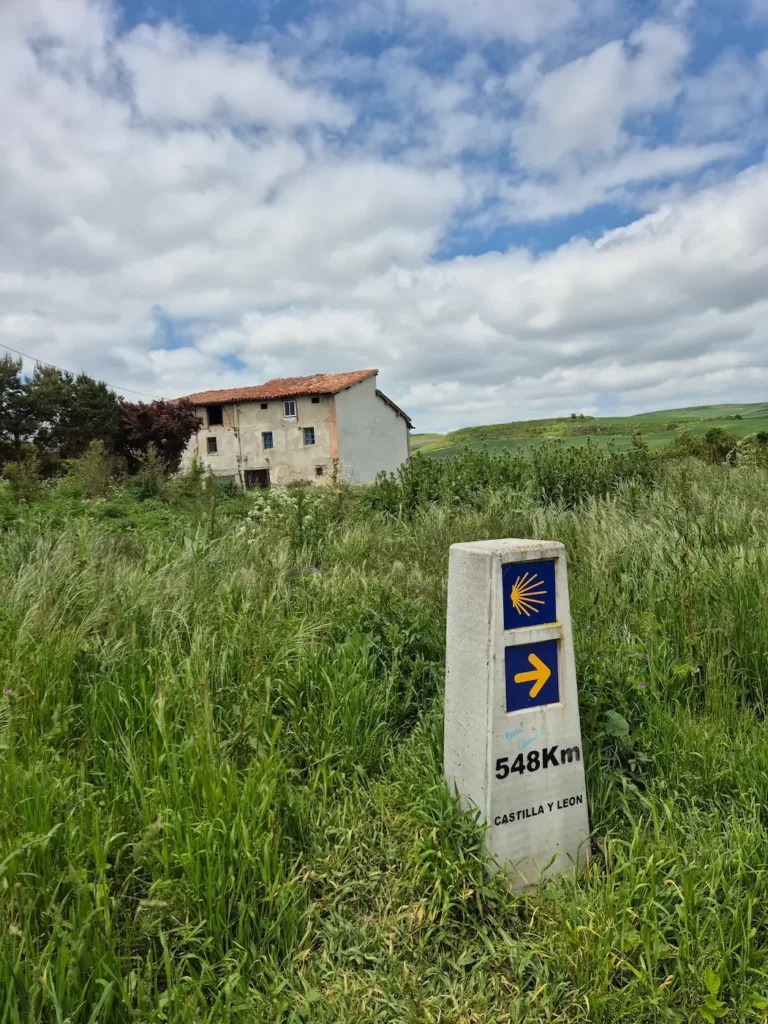
Most online guides divide the Camino Francés into 33 stages of 20–30 km. This is useful for planning, but you don’t need to stick to their endpoints. Some of my favourite stays were in small villages partway through a stage.
Booking accommodation in advance
A common question on the Camino is whether you need to book accommodation in advance. There’s no single right approach – it depends on the type of accommodation, the season, and how much flexibility you want.
Municipal albergues don’t take bookings. This is the ultimate flexibility – walk until you’re ready to stop. In practice, dorms can fill up quickly, especially on the Camino Francés, in smaller towns, and during high season. I often saw pilgrims waiting outside albergues before they opened, usually around noon, to secure a bed.
Private albergues and pensiones do take bookings. I made most of my reservations through Booking.com, some via email, and some through WhatsApp, typically 1–3 days ahead. The downside of booking ahead is that it fixes your walking distance for the day. The upside is certainty – you can arrive much later in the afternoon without worrying about availability.
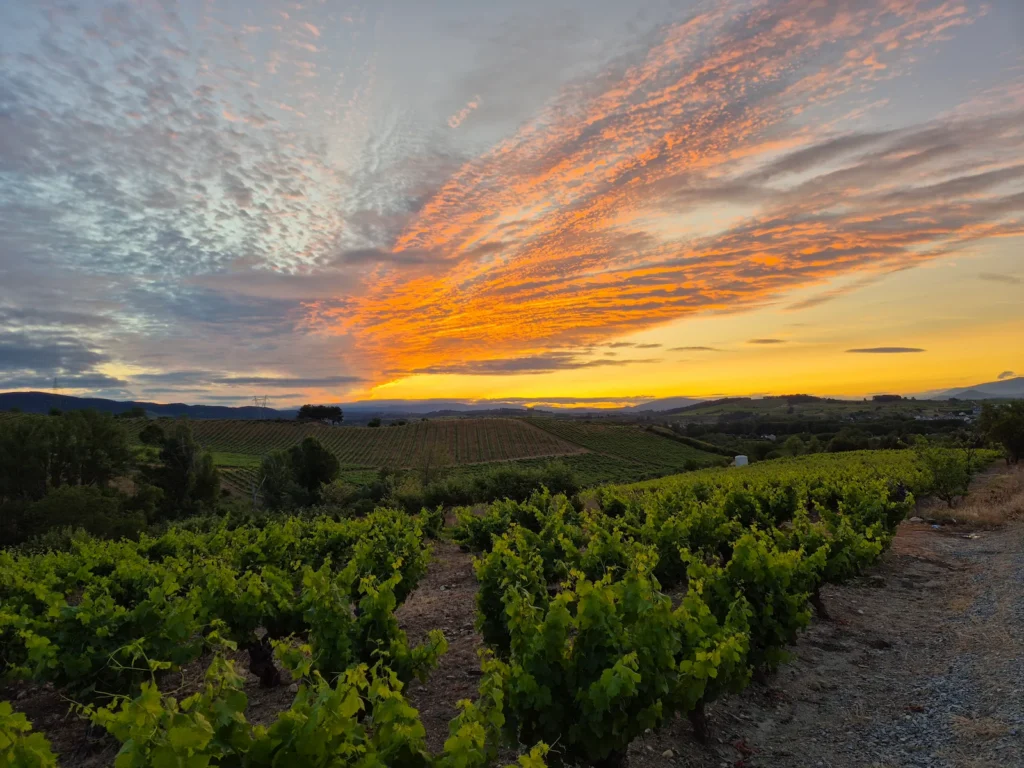
In May and June, the sun sets well after 9 PM in northern Spain. I preferred to spend more of the day walking and stopping in villages along the way, rather than arrive at my accommodation too early. After 3 PM worked well, leaving plenty of daylight hours to explore the area.
The weather on the Camino Francés
I started my Camino in mid-May and arrived in Santiago in mid-June. My start date was partly driven by weather – I wanted to walk when it was neither too cold nor too hot. Spring, despite being the high season on the Camino Francés, felt ideal.
The other factor was sunrise: by mid-May the sun rises in northern Spain around 6:45 AM, and my plan was to start walking each day at about 7 AM.
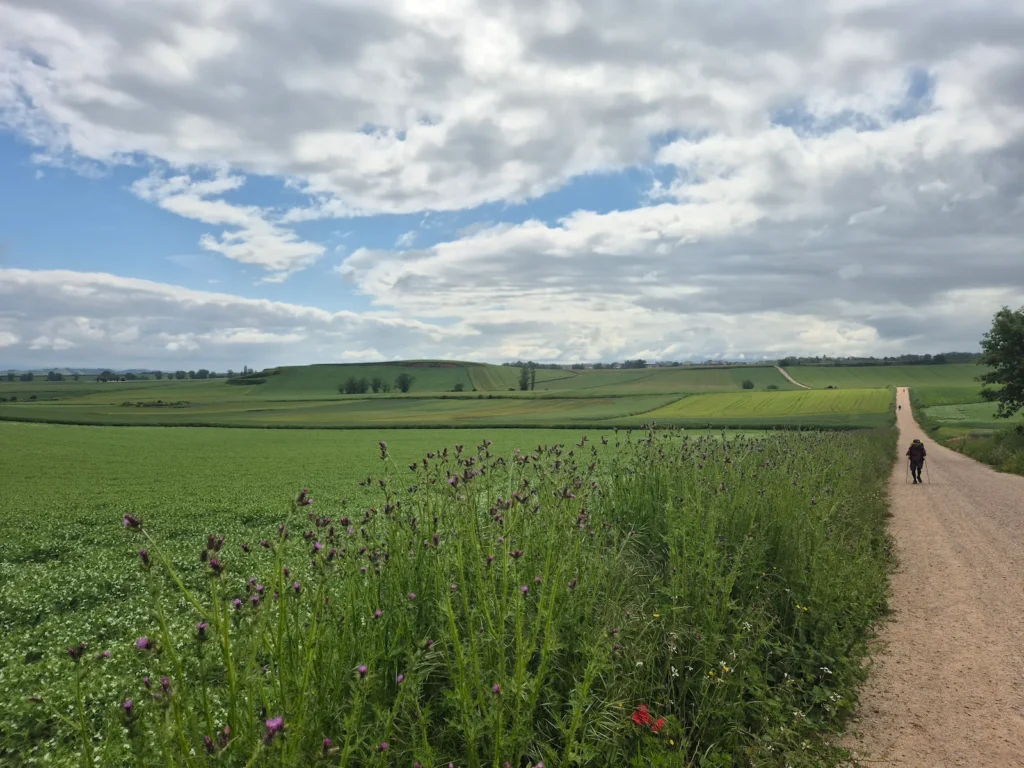
Over the month I experienced everything from 2°C mornings to 30°C afternoons, plus rain, wind, and blazing sunshine. No matter when you walk, expect and prepare for a range of weather. In summer, mornings can be cold; in spring and autumn, afternoons can get hot.
Here are the average temperatures and typical rainfall patterns throughout the year.
| Month | Temperature range | Rainfall pattern |
|---|---|---|
| March | 3–14°C | Frequent showers and overcast skies |
| April | 5–16°C | Unpredictable showers alternating with brief sun |
| May | 8–20°C | Occasional morning showers; clear afternoons |
| June | 11–25°C | Mostly dry; early morning mist |
| July | 13–28°C | Very dry; minimal rainfall |
| August | 13–29°C | Arid; clear mornings with risk of sudden evening thunderstorms |
| September | 11–25°C | Low rainfall; clearing morning mists |
| October | 8–19°C | Steady, frequent rain and increasing fog |
| November | 5–14°C | Frequent heavy rain and low cloud cover |
What I packed
Here’s everything I carried on the Camino, grouped into three categories. My total backpack base weight, excluding water and the clothes I wore, was just under 5 kg.
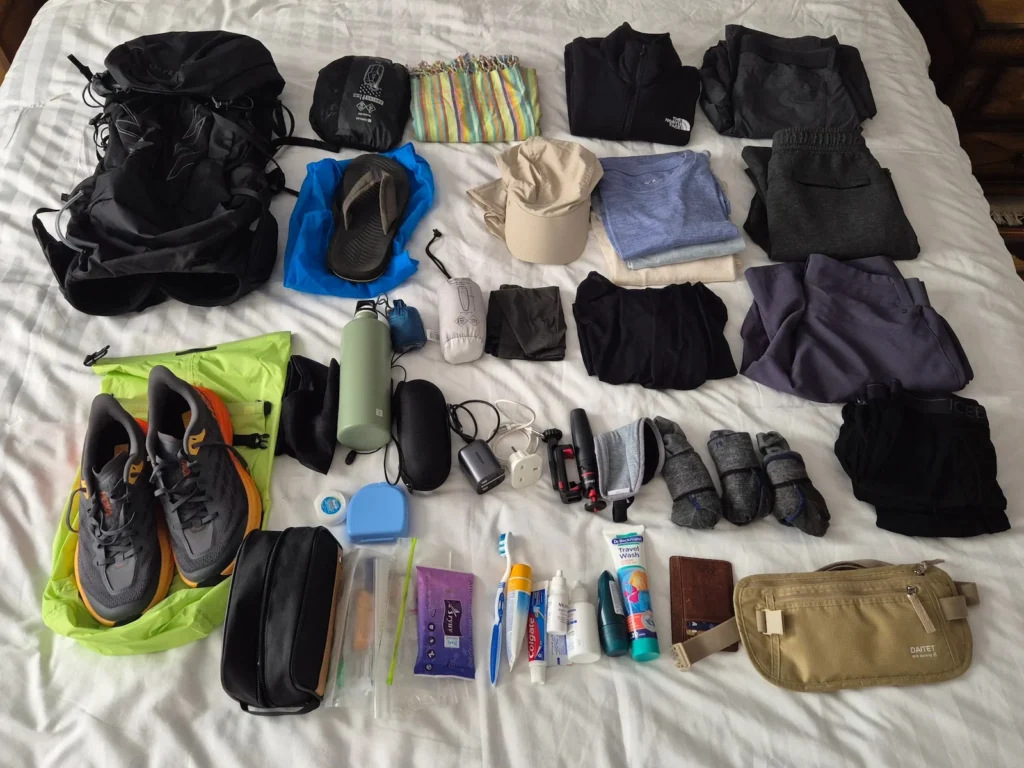
What I wore while walking:
- Legionnaire sun hat
- Sunglasses
- Merino neck buff
- Merino t-shirt
- Icebreaker merino boxer underwear
- Forclaz zip-off hiking pants
- Darn Tough merino socks
- Hoka Speedgoat 5 trail runners
- Money belt (kept in my backpack and only worn when I put my pack down)
What I packed for walking:
- Merino t-shirts ×2
- Icebreaker merino boxer underwear ×2
- Darn Tough merino socks ×2
- The North Face quarter-zip fleece
- Rain poncho
- Osprey 2.5 L water bladder
- 0.75 L aluminium water bottle
What I packed for evenings:
- Quechua shorts
- Sweatpants
- Flip-flops
- Lightweight thermal pants and long-sleeve top
- Silk sleeping bag liner (recommended for hygiene and to protect against bed bugs)
- Kikoy (an East African cotton wrap that I used as a towel, pillowcase, and neck scarf)
- Sea to Summit ultralight daypack
- Electronics: mobile phone, charger, adapter, headphones, mini phone tripod
- Toiletries
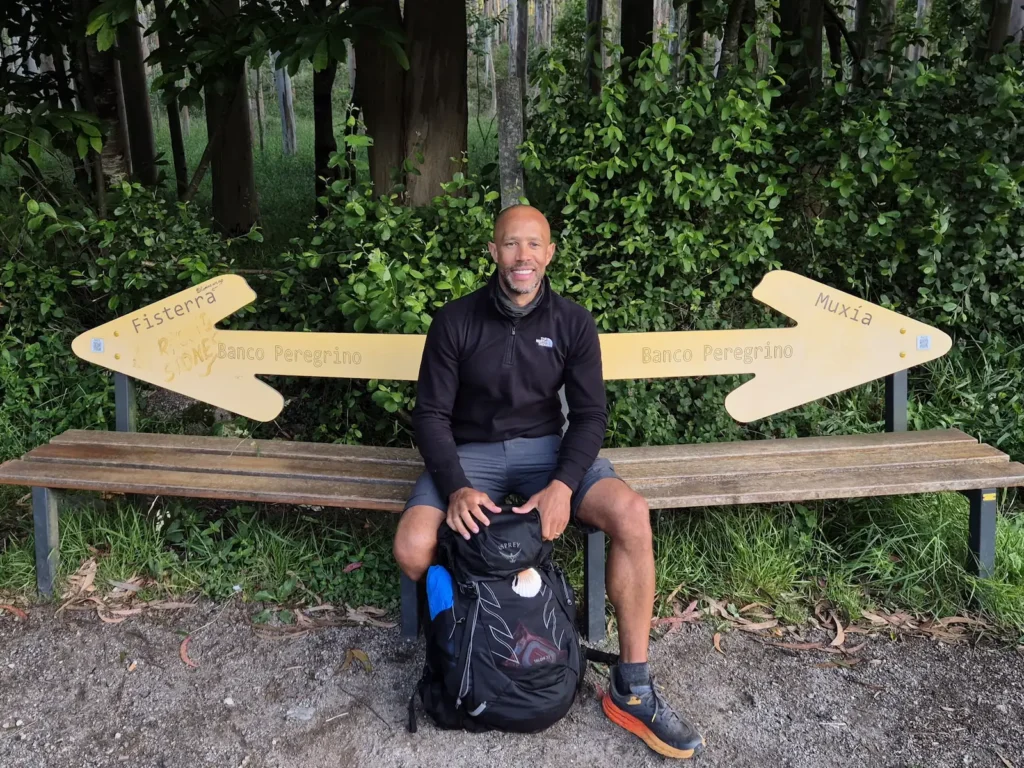
I carried everything in an Osprey Talon 33 backpack (size small, 31 L) with three dry bags (2 L, 4 L, 8 L). I didn’t need a sleeping bag since private albergues provide blankets. I used a pair of trekking poles I ordered on Amazon in Spain for €25 and had delivered to a collection locker. Airlines usually require trekking poles to go in checked luggage, so if you travel with hand luggage only, as I did, you’ll need to buy poles when you arrive.
What I’d change about my gear
I didn’t feel I was missing anything, but there are a few things I would change next time.
Three merino t-shirts were one too many. Merino is naturally antimicrobial and odour-resistant. Two shirts – one to wear, one spare – would have been enough.
I’d swap the quarter-zip fleece for a full-zip. A full-zip gives better temperature control while walking and is easier to take on and off during breaks.
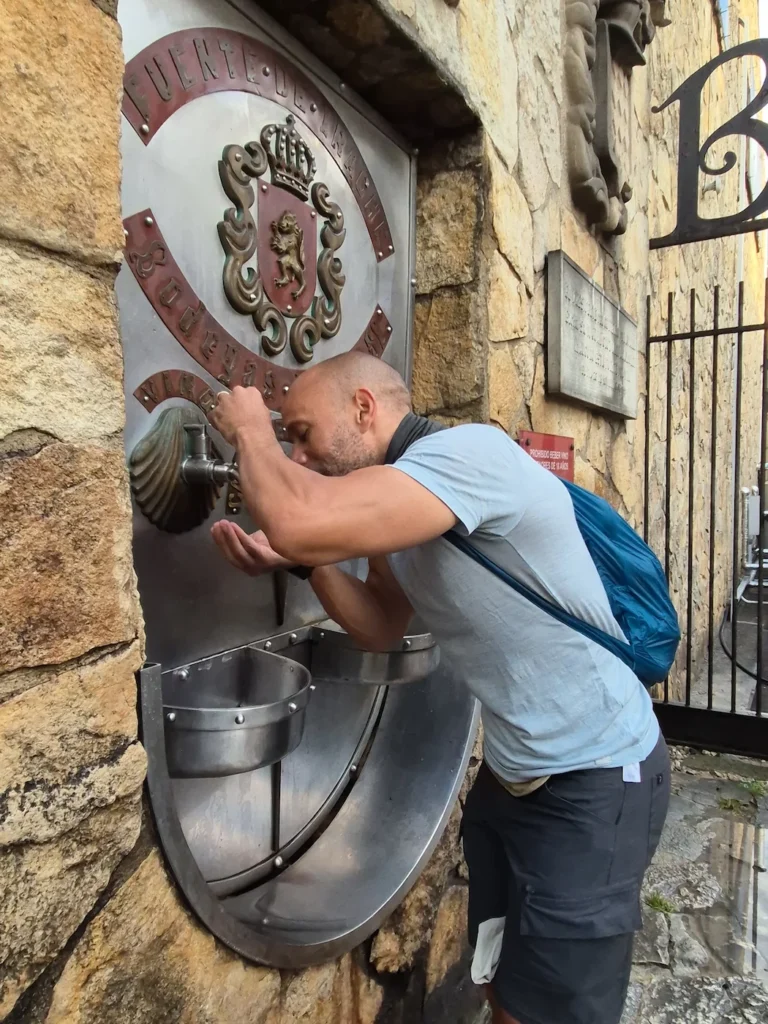
The water bladder was useful, but not essential. Spain has drinking water fountains in almost every town and village. A single 0.75 L bottle would have been adequate.
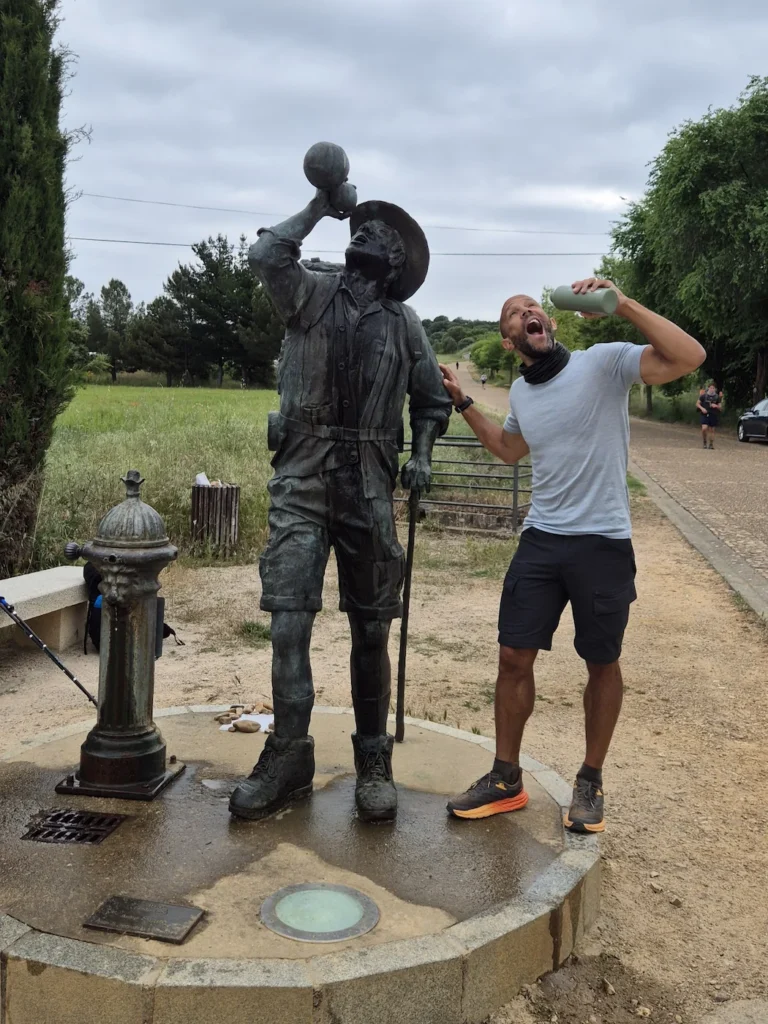
Three dry bags made packing harder. They kept things organised, but they also made it slower to pack my backpack each morning. A simple backpack liner would have been easier. My rain poncho kept everything dry anyway.
The mini phone tripod wasn’t worth the weight. A fun idea, but ultimately unnecessary – and not used once.
A final tip on packing
The Camino Francés is a well-established route with plenty of support for pilgrims. Anything you forget, you can almost certainly buy along the way. It’s far better to under-pack than over-pack.
Be kind to your knees and embrace simple living. As the saying goes, “The Camino provides.” The route gives you plenty of chances to see that for yourself.
Preventing blisters
Blisters can ruin your Camino experience and even force you to stop early. I met someone who had started the Camino the previous year but had to quit on a doctor’s recommendation because of severe blisters. Fortunately, I didn’t get a single one.
There are plenty of suggested solutions out there, but here’s what worked for me. We’ll start with the two most important items in your packing list – your socks and your shoes – then move on to how to look after your feet.
Socks
Snug-fitting socks prevent your foot and the fabric from rubbing against each other. That friction, combined with moisture, is what causes blisters. A quick-drying merino-blend sock reduces moisture and breathes far better than cotton or pure synthetics.
I wore Darn Tough merino socks. No regrets – they’re my favourite socks.
Shoes
There are no sections of the Camino where hiking boots are necessary. You’ll be walking 6–8 hours a day, sometimes more, so comfort matters far more than ankle support. Trail runners are the best choice.
A few guidelines:
- Go half a size larger than your normal shoe. Feet swell on long walks.
- Avoid Gore-Tex or waterproof membranes. Your feet need to breathe.
- Waterproof shoes dry slowly once water gets in – breathable mesh dries quickly.
- If your shoes get soaked, stuff scrunched-up newspaper in the toebox and leave them overnight.
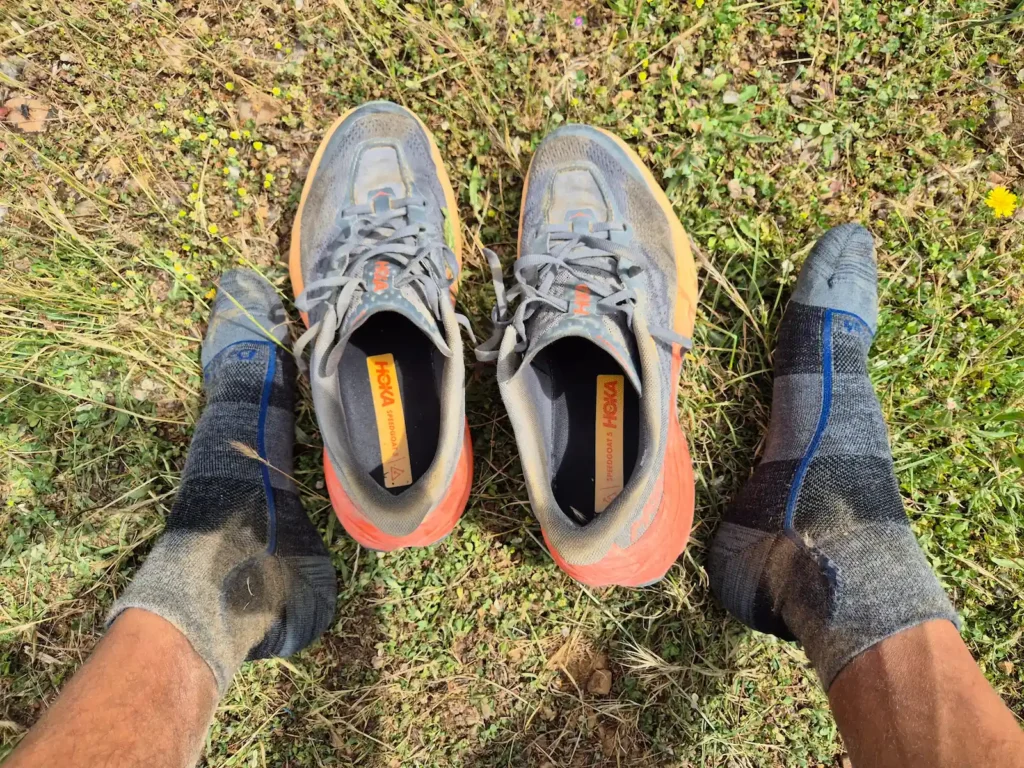
I wore Hoka Speedgoat 5 trail runners: lightweight, comfortable, breathable, with good traction. They lasted 900 km – just.
Feet
I’m not sure how effective each of these routines is on its own, but together they worked for me – and I’m not going to tempt fate next time.
Prepare your feet. Each morning, I applied a thin layer of Vaseline to any area that might develop friction, especially around my toes and the back of my heel.
Rest your feet. Whenever I stopped at a café or restaurant, I took off my shoes and let my feet breathe. After hours of walking, it made a real difference.
Toughen your feet. I often walk barefoot at home, which has toughened the skin around my feet. Avoid pedicures in the weeks leading up to the Camino, as soft skin is more prone to blistering.
How much I spent on the Camino
Budgets vary widely, but accommodation is usually the biggest cost, followed by food. Daily spending depends on your comfort level, with accommodation prices generally higher from May to September and lower in March, April, October, and November.
Here are typical daily costs for different comfort levels.
| Budget level | Daily cost | Accommodation & food | Pilgrim preferences |
|---|---|---|---|
| Low | €30–35 | Municipal albergues; groceries | Basic dorms, cooking |
| Medium | €40–45 | Private albergues; groceries + eating out | Smaller dorms, better facilities, occasional restaurant meals |
| High | €70+ | Private rooms; eating out | Privacy, more comfort, regular restaurant meals |
My Camino fell into the high-comfort category. My accommodation, mostly private rooms, averaged €53 per night, with prices ranging from €17 for a dorm bed to €100 for a hotel room. I mostly ate out, spending around €40 per day.
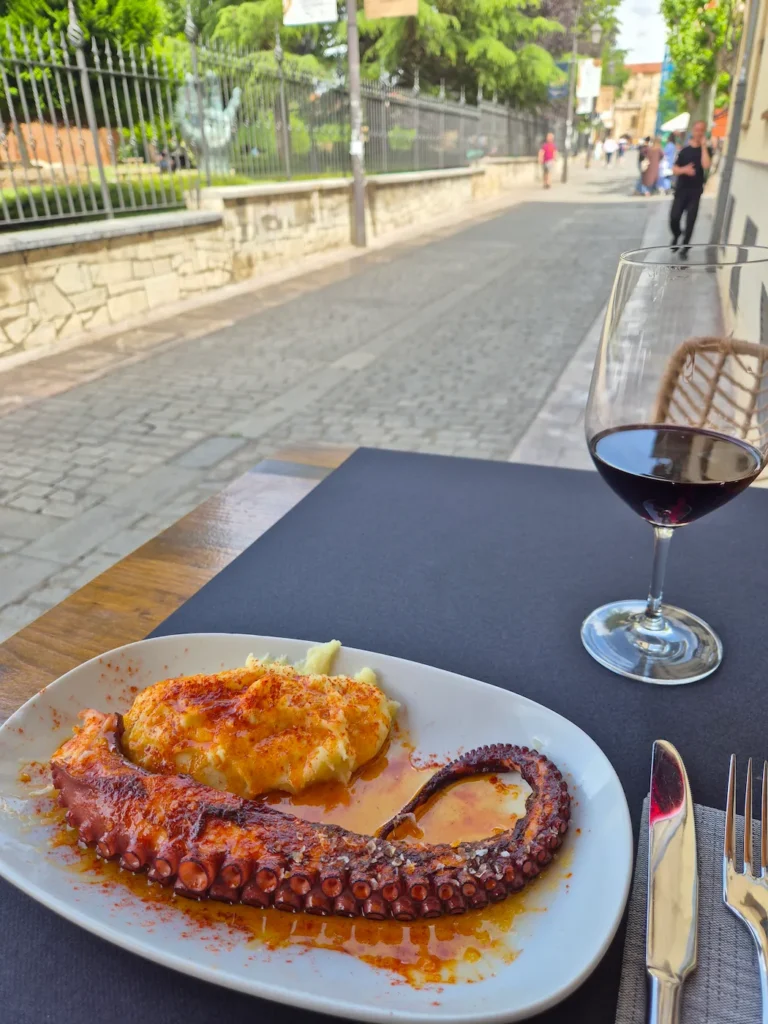
If you walk with a partner or friends, private rooms become much more affordable. For three pilgrims, the cost of a private room with single beds is often comparable to the price of three beds in an albergue.
Final thoughts on the Camino
Not everyone can take off an entire month to walk across a country. If you ever get the chance, go. If you’re between jobs and can carve out a few weeks, do it. Any amount of time outdoors is valuable, but I found that the real magic of the Camino reveals itself after around two weeks of walking.
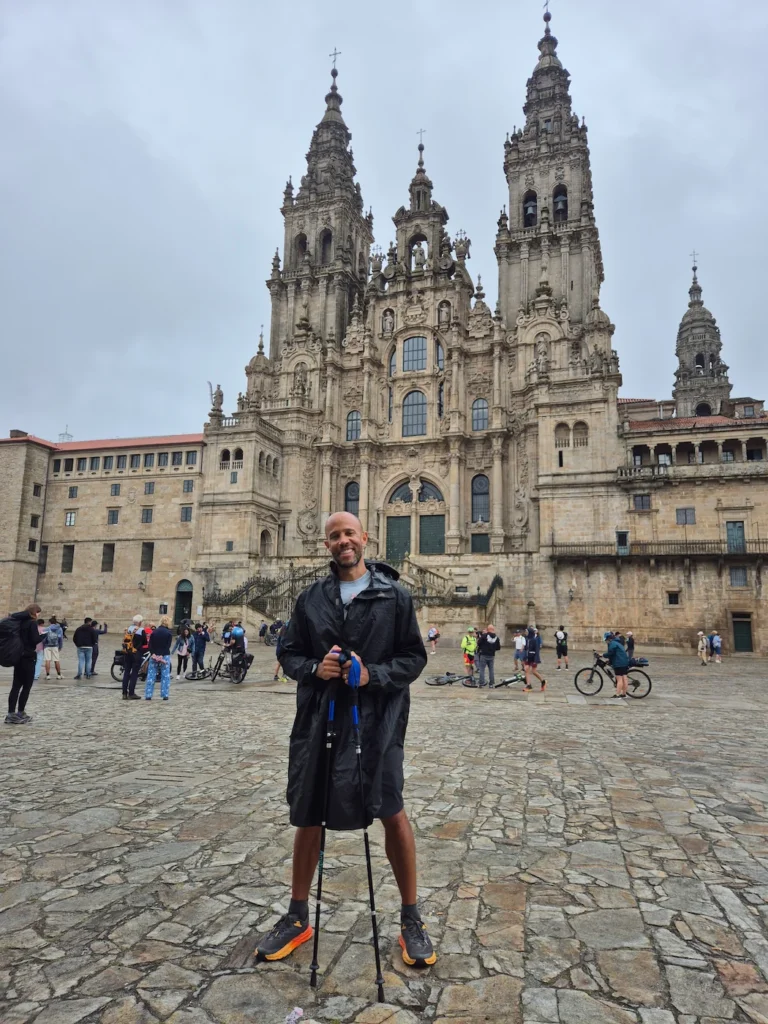
The Camino is a rare opportunity to slow down, simplify life, and reconnect with yourself. If it’s calling you, listen. It may change your life in ways you don’t expect.
Buen Camino.